
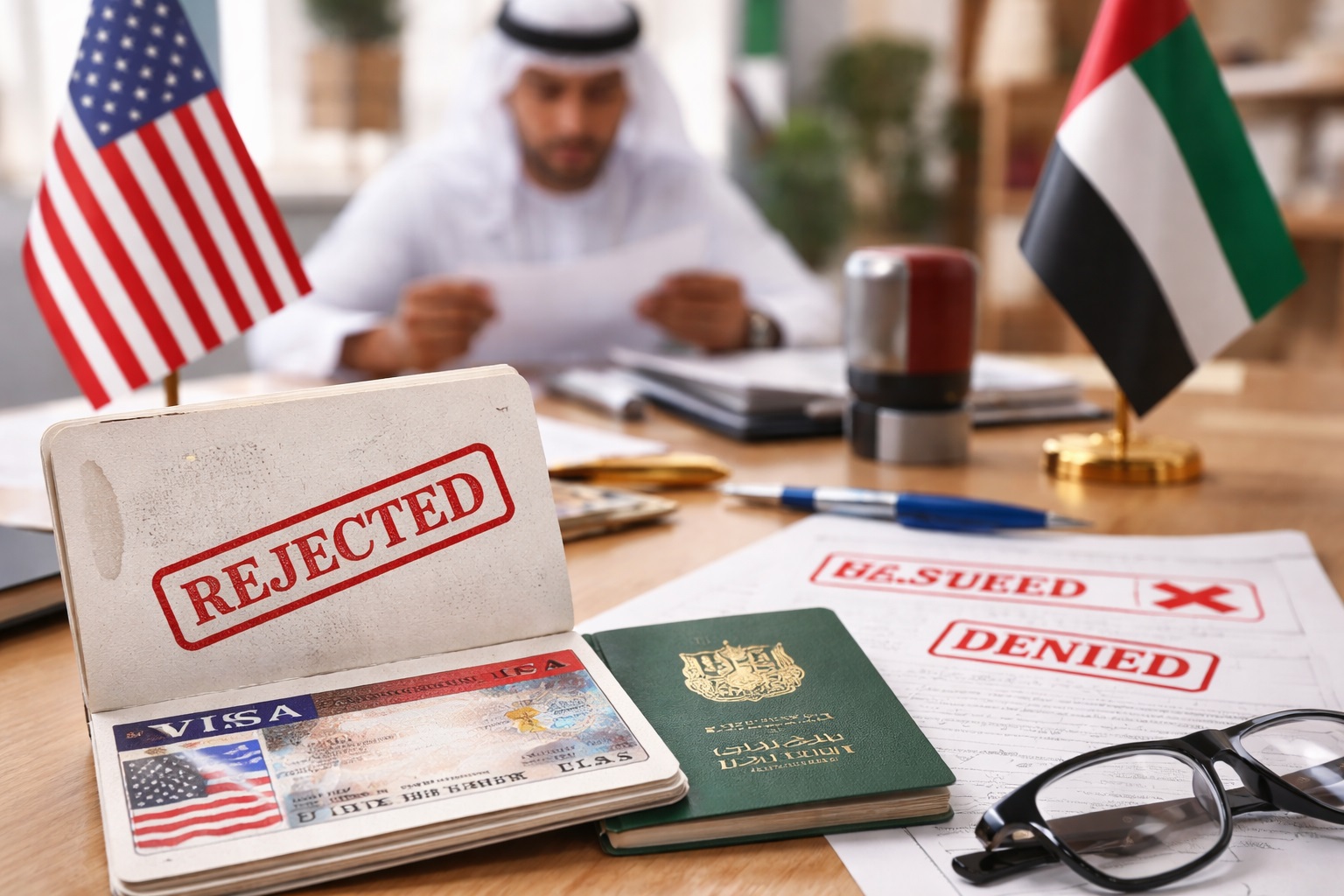
Studying in the United States is a dream for thousands of students living in the UAE. Every year, many applicants prepare their documents carefully, secure university admissions, and apply for a United States study visa hoping for approval. However, despite strong academic backgrounds and genuine intentions, many student visa applications still face rejection.
Understanding why USA student visas get rejected is the first and most important step toward avoiding mistakes. The good news is that most refusals happen due to common, preventable issues. With the right planning, preparation, and professional guidance, students can significantly improve their approval chances.
This detailed guide by 4S Study Abroad explains the real reasons behind U.S. student visa refusals in the UAE — and more importantly, how you can fix them.
Understanding USA Student Visa Refusals
Before discussing the reasons, it is important to know that U.S. student visa decisions are made under Section 214(b) of U.S. immigration law.
This means visa officers must be convinced that:
- You are a genuine student
- Your purpose is education only
- You have sufficient finances
- You will return after completing studies
If the officer is not fully satisfied during the interview or documentation review, the visa may be refused — even if you already received admission.
Top Reasons for USA Student Visa Rejection in UAE
1. Weak Interview Performance
The U.S. visa interview is often the most critical part of the process. Many UAE applicants underestimate its importance.
Common interview mistakes include:
- Memorized answers that sound rehearsed
- Lack of confidence
- Giving inconsistent information
- Not knowing details about the university or course
Visa officers assess credibility within minutes. If answers appear unclear or artificial, rejection becomes likely.
Example:
Students sometimes cannot explain why they selected a specific university or how the course connects to their career plans.
2. Lack of Strong Study Plan
A clear academic purpose is essential.
Visa officers expect answers to:
- Why this course?
- Why the USA instead of another country?
- How does this program relate to previous education?
Many UAE applicants apply for programs unrelated to their background simply for migration opportunities. This creates doubt about genuine student intent.
3. Insufficient Financial Documentation
Financial capability is one of the most common refusal reasons.
Students must demonstrate:
- Tuition fee coverage
- Living expenses
- Stable sponsor income
- Genuine financial sources
Typical financial issues include:
- Sudden large deposits in bank accounts
- Unclear sponsor relationships
- Weak income proof
- Incomplete financial statements
Even if funds exist, poor presentation can result in rejection.
4. Failure to Prove Strong Home Country Ties
The U.S. student visa is a non-immigrant visa. Officers must believe you will return after studies.
Applicants in the UAE sometimes struggle to demonstrate strong ties because they are expatriates. Missing ties may include:
- No long-term career plan
- Weak employment history
- Lack of family or professional commitments
- Unclear future goals
If the officer suspects immigration intent, refusal chances increase.
5. Choosing Low-Credibility Universities
University selection matters more than students think.
Applying to:
- Unknown institutions
- Universities unrelated to academic profile
- Colleges with low international reputation
can raise concerns about academic seriousness.
Students should select institutions aligned with their qualifications and career progression.
6. Poor Academic Progression
A mismatch between past education and chosen program creates doubts.
Examples:
- Commerce student applying for unrelated technical programs
- Large study gaps without explanation
- Downgrading academic level
Visa officers look for logical academic progression.
7. Incomplete or Incorrect Documentation
Even small documentation mistakes can cause rejection:
- Incorrect DS-160 form details
- Mismatch between application and interview answers
- Missing academic records
- Incorrect SEVIS information
Accuracy and consistency are extremely important.
8. English Communication Issues
Strong English communication is necessary for studying in the U.S.
Problems arise when:
- Students struggle to communicate during interviews
- English test scores appear inconsistent with speaking ability
- Answers lack clarity
The interview evaluates real communication ability — not just test scores.
9. Previous Visa Refusals Without Improvement
Many students reapply without correcting earlier issues.
If refusal reasons remain unchanged, officers may refuse again quickly.
A reapplication must show:
- Stronger documentation
- Better interview preparation
- Improved academic or financial profile
10. Lack of Professional Guidance
Many students rely only on online information or incomplete advice. Every profile is different, and minor mistakes can have serious consequences.
After understanding these rejection reasons, students often realize the importance of professional support from experienced education consultants in Dubai who understand UAE applicant profiles and U.S. visa expectations.
How to Fix USA Student Visa Rejection Issues?
Now let’s focus on the most important part — how to improve your approval chances.
1. Prepare Strategically for the Visa Interview
The interview is not an exam; it is a credibility assessment.
You should be able to explain clearly:
- Why you chose the USA
- Why this university
- Career goals after graduation
- Financial sponsorship details
Pro Tips:
- Practice natural answers, not memorized ones
- Maintain eye contact and confidence
- Keep answers short and genuine
- Understand your own application fully
Mock interview preparation significantly increases success rates.
2. Build a Strong Study Plan
Your academic story must make sense.
A good study plan should include:
- Academic background explanation
- Course relevance
- Career opportunities after graduation
- Future plans in home country or UAE
Visa officers approve students who demonstrate clear educational purpose.
3. Strengthen Financial Documentation
Financial clarity builds trust.
Recommended steps:
- Maintain consistent bank balances
- Avoid sudden deposits
- Provide salary certificates and tax records
- Show sponsor relationship proof
Proper financial structuring often makes the difference between approval and refusal.
4. Demonstrate Strong Future Intentions
Students must prove temporary stay intention.
You can show ties through:
- Career opportunities after studies
- Family commitments
- Employment history
- Professional growth plans
A clear post-study vision reassures visa officers.
5. Choose the Right University and Course
Smart university selection improves visa credibility.
Choose institutions that:
- Match your academic profile
- Offer recognized programs
- Support career advancement
Avoid random course selections simply based on easier admission.
6. Improve Communication Skills
Confidence matters as much as English test scores.
Prepare by:
- Practicing common interview questions
- Speaking naturally in English
- Explaining academic goals clearly
Confidence often signals genuine student intent.
7. Address Previous Refusal Properly
If your visa was rejected before:
- Analyze refusal reason carefully
- Correct weaknesses in profile
- Update documents
- Improve interview strategy
Reapplication should show visible improvement — not repetition.
8. Ensure Error-Free Documentation
Before submitting your application:
- Double-check DS-160 details
- Verify SEVIS and I-20 information
- Maintain consistency across documents
- Prepare organized file presentation
Attention to detail reflects seriousness.
9. Work With Experienced Student Visa Experts
Professional guidance helps students avoid common mistakes.
An experienced consultancy assists with:
- Profile evaluation
- University selection
- Financial planning
- Interview preparation
- Documentation review
Students who receive structured guidance often achieve higher approval success.
Why UAE Students Face Unique Challenges
Applicants applying from the UAE often face additional scrutiny because many are expatriates.
Visa officers may question:
- Long-term residency stability
- Employment continuity
- Return plans after graduation
This does not mean approval is difficult — it simply means preparation must be stronger and more strategic.
How 4S Study Abroad Helps Students Avoid Visa Rejection?
At 4S Study Abroad, the focus is not just submitting applications but building strong, genuine student profiles.
Students receive support in:
- Personalized profile assessment
- Genuine university recommendations
- Financial documentation guidance
- Complete visa file preparation
- USA visa interview training
- Refusal case re-application strategy
The goal is simple — improve approval chances through honest guidance and structured preparation.
Final Thoughts
USA student visa rejection does not mean your dream has ended. In most cases, refusals happen because of avoidable mistakes such as unclear study plans, weak interviews, financial misunderstandings, or improper documentation.
When students understand visa officer expectations and prepare strategically, approval chances improve dramatically.
If you are planning to study in the United States from the UAE, focus on preparation, credibility, and professional guidance. A well-prepared application tells a convincing story — and that story is what ultimately leads to visa approval.
Your dream of studying in the USA is achievable with the right strategy, the right support, and the right preparation.
Start your USA study journey today with 4S Study Abroad — your trusted partner for successful international education planning.